Showing posts with label nutrition. Show all posts

10 December 2009

Non-Diet Weight Loss with Effortless Physical Activity

In the previous article we spoke of differentiating between physical activity as a product of everyday natural activities vs. exercise which is much more regimented and planned. Now the question is how does that translate into your real everyday life? How can you make exercise effortless so that it fits into your lifestyle? Well here are a few suggestions to begin. Pick the ones most applicable to you.

• Have regular at-home dance parties. Put on the radio and according to the words of Lady Gaga "Just Dance". Involve the whole family or who ever you live with, or do it yourself. Dance as much as possible. Rhythm is not required. Dance while you are washing the dishes, if you are in front the bedroom mirror, etc. Use this most natural form of movement to your advantage. You could even try the new Just Dance game from Nintendo Wii if you need something more interactive.

• Take up a specific dance like salsa, belly dance, hip hop or any aerobic dance. The thing I like about dance is that it brings the element of good feelings and connection into the physical activity, and you are less likely to feel stressed by something which you have an emotional bond with. So other activities which can work include yoga, karate or kickboxing, tai chi, and alternative dances like the “journey dance”

• Pick up a sports activity or if you’re not so inclined, buy a Wii Activity system which simulates many fun activities including hula hooping, without requiring you to leave your home.

• Get a trampoline in the back yard or a mini-one in the bedroom and get on it as often as possible.

• Enjoy an outdoor swing (make sure it can accommodate you)

• Get a ping pong table or a “ice hockey” table in the game room, family room or in an extra room if you can.

• Roller blade in the backyard, in the park or at the skating ring.

• Go swimming-Water activities make for a wonderful fitness alternative

• Take a trip to a water park

• Walk in the neighborhood

• You’ve heard this one before, but take the stairs instead of the elevator or escalator. It really is fulfilling.

• If you’ve been thinking about it, adopt a dog. In some places, you can even foster a dog, so that you don't get into an unwanted long-term commitment if you are not ready.

I say a dog, because dogs are very high energy pets who force us to engage physically. We either play with them in the backyard or need to take them out on a walk. Either way both sides are enjoying physical activity.

• Take on a hobby. Although it would be good to adapt a hobby which allows for some physical exertion, it is absolutely not necessary. It could be anything from pottery making to painting. You're more concerned with the mental focus and stress reduction which hobbies often provide. This helps reduce stress-induced emotional eating and unwanted weight gain. If you are looking to lose weight, you won’t need to exercise as much. Also, a hobby is a wonderful way to combat emotional eating.

Often times, the activities we consider to be “child’s play” like the hula hooping and riding on a swing, roller blading and the trampoline, are often the most physically rewarding. Just think about it. Children who play often enjoy natural physically fitness. A sense of playfulness can go a long way towards us being able to naturally fit physical activity into our daily lives, aiding in our non-diet weight loss efforts as well as long-term weight management.

Free your physical health and weight management from restriction and strict, regimented control. Making physical activity more about what you already do than what you need to plan for, causes it be a more fun and sustained part of you life.


To Your Enjoyable and Guilt-free Food Experiences,

11 November 2009

Getting Enough Calories and Nutrition

Sufficient daily calorie intake is crucial whether you are on a diet or not. Dieting and skipping meals mean restrictive calorie intake which can ultimately decrease the body’s metabolic rate (the rate at which energy is used by the body). As you give the body less calories to work with it responds by trying to conserve energy to make sure that it is able to support its daily tasks. But the result of all of this is usually fatigue and lethargy. Furthermore, if one were to increase calories significantly, it is likely that they would gain weight because those calories would be burned at a much slower rate. This is why once someone has stopped dieting and begins eating normally they may regain the weight.

The bottom line is that the body needs ample energy and the ability to function at its best. It is able to do this by utilizing Carbohydrates, Protein, Fats and many minerals and vitamins. Carbohydrates' role is primarily to provide a direct source of energy and fuel. Fat also provides energy although the process of extracting energy from fat is more complicated.

There is an interchange of mostly carbs and some fat for energy as needed, but it is ideal to have enough carbs in the diet so that the body isn’t forced to resort to both Fat and Protein in the absence of sufficient Carbohydrates. Protein has many other major functions (e.g. for tissue building and repair) and when the body is forced to use it for energy then this usually means that the body is greatly deprived and starved. So be wary of extreme carb. restriction.

Carbohydrates, Protein and Fats are all essential and need to be consumed in proportion to each other to make sure that they are being utilized in the most efficient way in the body. Although there are variants to the proportions, daily requirements are generally 55% Carbohydrates, 15% Protein, and 30% Fat of total calories consumed for the day. They are each used by the body in very specific ways to complete tasks and maintain an optimal state of health.

A simple way to ensure that you are getting enough energy and nutrition is to consume nutrient-dense foods. This means less processed foods,and foods which have been minimally altered. This would also ensure that you are consuming enough vitamins and minerals which are also needed for generating energy and serving the many other functions of the body. For e.g. at breakfast time, a nutrient dense food like whole grain hot or cold cereal with nuts or whole grain bread with nut butter would provide high quality Carbohydrate, Protein as well as Fat calories, and essential vitamins and minerals.


To Your Enjoyable and Guilt-Free Food Experiences,

05 November 2009

Can You Overdo Healthy Eating?

I know you must be asking, How can anyone overdo healthy eating, isn’t healthy to any degree a good thing? Well sometimes you can overdo a good thing. Once the “bad”, unhealthy food has been identified the objective becomes elimination, elimination, elimination.

One common area of overdoing health is with fats and low carbohydrates. In the case of fats and carbohydrates, which are often categorized in the “bad” food category, one would think that these weren’t nutrients required in the diet. Things can quickly get out of hand, to the point where elimination of these targeted foods becomes the dominant energy a person experiences around eating.


Extreme avoidance of anything that is labeled as “bad” can create anxiety.

-Generally any negative emotions attributed to food whether it is around excessive, emotional eating or avoidance eating leads to guilt and unease.

-Overdoing healthy can also lead to a very unilateral view of foods. For example a food item as a whole is only judged by its absence of the “culprit” ingredient or component. That’s why it can become so easy to overdo foods labeled as “fat-free” for example.

In the case of "fat-free foods, often times, the rest of the nutritional profile of the food, aside from the fat content, is almost overlooked. It is most helpful that the overall nutritional value of a food be considered when your focus is on health. A soda is fat free, but most wouldn’t generally consider it beneficial nutritionally. A cookie might be “fat-free”, but be loaded with fake ingredients.

So it’s important to broaden and open your mind, so that you don’t miss out on nutritionally valuable foods just because they're not fat-free or carbohydrate free, etc. Yes it’s fine to include these in the diet as well, but not exclusively so. And it also must be remembered that these nutrients are needed in certain quantities in the diet to promote good health, energy for the body, and proper functioning of all the organs of the body.

Healthy eating should be more about "What You Can Eat" rather than "What You Cannot Eat”. Food should never create anxiety whether it be about excessive eating or the extreme elimination of foods considered as unhealthy or inclusion only of foods considered healthy. Unless someone truly has a food allergy, there should be some balance, because healthy eating is as much about having wonderful, enjoyable, stress-free eating experiences as it is about the food itself.


To Your Enjoyable and Guilt-Free Food Experiences,


NOTE: Next time I will be discussing getting adequate calories in the diet for optimal health and energy whether you are looking to loose weight or not. Also, remember to sign up for the 10-Part E-course on How Non-Diet Weight Management Can Work for You to gain more insight on making eating guilt free and enjoyable.

02 September 2009

Tea-A Flavor for Every Taste & Need

Tea has many health benefits as we all know. Green tea has been heralded for its superior antioxidant content for example. However the focus is seldom on the versatility of teas in terms of the endless flavors available or purposes (i.e calming, detoxing, invigorating etc) they serve. Whether you are in the mood for something with some citrus/fruit zing, something to calm your senses, awaken your taste buds, or give you a little taste of the exotic, I say bring on the tea. What simpler way to have multiple, unique taste experiences with little effort.

There are as many tea choices as there are purposes or moods for them to fulfill. Today more than ever, the world of tea is more exciting than ever. My favorite companies are Yogi Tea, Bigelow, Tazo and Celestial Seasonings. On the Yogi site they take the interactive approach to tea selection and even allow you to select your tea based on “Mood, Flavor or Purpose”. If you’re not a tea connoisseur, this process is very helpful.

The thing I like about Yogi Tea is that they have many therapeutic teas geared towards specific ailments- the flu, stress, digestive issues, immune function, women’s health, emotional well being etc.

Great Yogi Flavors: Lemon Ginger, Moroccan Orange Spice, Mayan Cocoa Spice, Calming

Great Celestial Seasonings Flavors: Lemon Zinger, Black Cherry Berry, Chamomile, Cranberry Apple Zinger, Mandarin Orange Spice, Peppermint

A cup of tea just on it’s own, with a favorite dessert, or as an alternative to coffee is always a good choice. And for some reason, a cup of tea at the end of meal creates a calm, satisfied stomach and seems to balance everything out. Well it certainly seems to help. And most of all it's a tantalizing food experience in a cup and is easy to access.

08 August 2009

Embracing The Fun Side of Food

Revisiting the foods we enjoyed as children is a simple way to bring pleasure into our everyday eating experiences. For most of us, this is the time when we truly embraced the fun side of food way before many of us adopted a self-inflicted 'whip of condemnation' when it comes to our eating. We can all remember that one or two special meal items which we looked forward to having as a child. Perhaps mom only cooked it for a particular occasion or we had it on a certain day of the week or time of the year, or perhaps it was when the family went out to eat or went to visit the grandparents. Whatever connection that food has for us, chances are that as adults there is still that sense of nostalgia whenever we enjoy the food or even think of it. Most of what are considered ‘comfort foods’ have such an effect on us. It’s not just about the food, for the foods which bring us the most comfort add a warmth to our hearts which cannot be measured.

Many restaurant menus meet this need by providing items which reflect our desire to reconnect with the foods of our childhood which are associated with so many memories. They offer such items as mac & cheese, hot chocolate with mini-marshmallows, grilled cheese sandwiches, creamy mashed potatoes, meatloaf etc. which are commonly labeled as comfort food items. Some restaurants chains have their entire theme based on only one comfort food such as NYC’s S’MAC ( Sarita’s Macaroni & Cheese) Restaurant, The Peanut Butter & Co Sandwich Shop (also in NYC) or Cereality, a national Cereal Bar & Cafe chain. These establishments exist simply because they sell much more than a meal, they sell an experience.

As adults we can at times get so obsessed about being mature, that we feel that we have to justify indulging in the quirky and free child in all of us. Embracing the unpretentious, natural childlike part of us can be very freeing even when it comes to food. We don’t have to explain and validate everything to ourselves or anyone in order to enjoy that well deserved indulgence. Children don’t get into all those complications about a thing, they just do what is in their hearts to do.

It’s not everyday you have that S'mores treat with chocolate oozing out at the sides, or that marshmallow melted on a stick over a camp fire. It’s not everyday you have a PB&J and Fluff sandwich or a huge bowl filled with five different varieties of dry cereal with milk. When we allow ourselves such childlike pleasures, it doesn’t mean we are reverting to being children ourselves, it just means that we are freeing ourselves of our endless list of self-imposed rules. So go frolic for one pleasurable moment with no rationalizing or guilt. There is great value in just enjoying something, such as a treasured and fun meal from childhood, for what it is without over analyzing it too much.

02 July 2009

Share Our Strength “No Kid Hungry” Initiative

Share Our Strength is an American organization established in 1984 by Bill and Debbie Shore to tackle the growing problem of hunger and poverty globally and locally. The work of the organization involves a wonderful collaboration with restaurants, chefs, other food professionals and volunteers who commit their time and effort to end hunger. Their ultimate goal is to end childhood hunger by 2015 starting right here in America.

Fundraisers held throughout the year as well as donations, help to support hunger organizations worldwide and in the US. But eradicating worldwide hunger is a big task, and the need for monetary support as well as personnel and volunteer support is ongoing.

After over two decades of existence, this is an organization which definitely has proven itself instrumental in making a serious impact in hunger prevention and intervention. So far it has raised over $245 million towards the cause, and the work is not over. Much more is needed to ensure that their vision to end childhood hunger is met.

Everyone needs to get on board to make this happen. Perhaps you could be a part of ending childhood hunger.

11 June 2009

New Guide For Health Conscious Shoppers

If you are new or just getting into the Organic Food scene, you know how overwhelming navigating the grocer aisles for the highest quality organic and natural foods can be. Many consumers would admit that they don’t know exactly what to look for.

A new book, The New Good Food Shopper’s Pocket Guide to Organic, Sustainable, and Seasonal Whole Foods by Margaret Wittenberg aims to offer consumers a guide they can take with them right to the supermarket. Wittenberg is Vice President of Whole Foods Market and a former member of the USDA’s National Organic Standards Board.

The guide helps consumers to shop smart and eat better when choosing amongst the hundreds of products available to them. It also helps consumers demystify labels right when they are making purchases at their local supermarket; and offers information about buying, storing and preparing whole foods. The guide offers all of this and more.

It really helps to have such a reference to help you understand exactly what you are purchasing when it comes to organic foods and you may find it helpful to you.

09 June 2009

15 Fun Activities of a Savvy Non-Dieter


Being a Savvy Non-Dieter isn’t about a blind love of food. It’s love of food coming from a place of appreciation and awareness, genuinely caring about where your food comes from, and having an enjoyable, guiltless relationship with what you eat.

Additional, it is important to understand that adapting a Non-Dieter Mindset and being a Savvy Non-Dieter is not an issue of defiance, but empowerment and freedom. It's all about everyday practices which define a positive and healthy connection with food in your life.

Do you recognize any of the following practices in your encounters with food? Or perhaps you have some you might like to add.

1. Dining Out

2. Picnic Anyone?

3. Enjoyment of Food Festivals/Shows when possible

4. A Food Magazine Subscription

5. A Well Stocked Pantry

6. Regular visits to the natural/organic food store of the organic section of the supermarket.

7. Regular pampering, relaxation, massages, and other forms of self-indulgence

8. Enjoyable lunch breaks outside the office at a nearby eatery, restaurant, park of public space.

9. A nice collection of cook books or recipe favorites

10. Beautiful and functional plate ware, flatware.

11. Ongoingly striving towards personal growth and advancements in life so that food is not compensating for anything lacking in other areas of your life .

12. Regular weekly viewing of the Food Network…OK, that one is optional.

13. A Diner table with enough space to share a meal with at least 4 people.

14. Allowing the simple indulgence of a sensibly portioned dessert, when appropriate, without guilt. Many restaurants and food manufacturers alike are providing ‘single serving’ dessert choices, and not only are these choices more appropriately sized, but they contain more wholesome ingredients.

15. Always trying new and different food items from the supermarket or food market to add to your pantry.

There are so much more that can involve being a Savvy Non-Dieter. You may have to decide for yourself. I don't believe in "boxed up" concepts or personal labels, so you as a Savvy Non-Dieter is whatever works best for you as long as it leads you to healthful, enjoyable eating experiences.

19 May 2009

Frozen Dinners/Entrees Have Experienced a Serious Upgrade

Last week Target had “Lean Cuisine” and “ Weight Watchers Smart Ones” frozen entrees on sale for $2.00. I got to the sale on the last day and between the two brands, there were less than 10 boxes left on the shelf! This is just some of the evidence that right now more than ever families are looking for convenience and budget friendly meals. And with so much varied, healthy, and well portioned frozen choices available, why not? If you haven’t noticed yet, the good old ‘frozen dinner/frozen entree meal” has made a comeback and it’s bigger and better than ever.

A New Wave:

This isn’t your grandma’s’ mystery food in a box’ frozen dinners, most commonly called TV Dinners back in the day. However, unlike those TV Dinners, many choices today not only contain less preservatives and more recognizable ingredients that you can pronounce, but they also reflect sensibly portioned quantities of food per meal vs. what is normally consumed in a meal. Lean Cuisine offers a large selection of 400 Calories or less per meal choices.

The frozen dinners available on the market reflect the increasing emphasis on health, quality, nutrition and wholesomeness in eating. When I saw Kashi coming out with their own ‘frozen dinners’ line recently, then I knew that things were really shifting in the world of ready prepared and frozen dinner/entree items. Amy’s line of frozen entrees and other pre-made food items is another brand offering quality choices as well as being known for their vegan, organic, low sodium, gluten free selections. Trader Joe’s brand of entrees offer gourmet and specialty features with more budget friendly prices.

A Touch of Culture:

As companies become more creative, frozen entrees are also becoming a great avenue to experimenting with cultural cuisine Trying out new cuisines in such an easy way is a wonderful excuse to expand your culinary palate and encourage a truly enjoyable eating experience.

For The Foodies Out There:

Perhaps some of you foodies out there might be unmoved by any 'meal in a box' item. However even for you, I am sure there are times when you just need good food quick. I believe that our meals, which are influenced by so many factors, should not have so many rules attached to them.

Wonderful, quality frozen entrees with wholesome ingredients can be enjoyed just as much as regular cooking on the occasions where it is most convenient for you and your lifestyle. This is not likely an everyday thing, but it is good to know that it is readily available to you. When deciding which brands to select, you may give consideration to the ones I have mentioned here.

It's All About Choice:

Whichever one you choose however, always read the label and the ingredient list and choose the best selections for you and your family. A rule of thumb is that the simplier the ingredient list, the more wholesome the item likely is. Once your meal is hot and prepared, place it on a nice plate, garnish it a bit if desired or 'fancy it up' with nuts, dried fruit, or your favorite condiments. It's all about giving yourself options.

11 May 2009

Is The Gloom & Doom of The Economy Reshaping Our Eating Experiences?

Even in the mist of all this talk of economic gloom and doom, I feel there are great opportunities. At times like these people become more innovative in order to be able to do more with less or they just appreciate more of what they have. Don't be surprised if the many innovations and businesses appearing right now lead to an unprecedented growth spurt in a few years time. Isn’t it said that “Necessity is the Mother of Invention”?

Improving the food supply has been an initiative years in the making even before the current state of things. Right now however it has become necessary to accelerate and give greater attention to the issue. New ways of doing food are quite evident.

-More Home Cooking: The fact that it is a cheaper option makes this an obvious choice for families looking to manage their food budget more effectively. The increased attractiveness of home cooking right now may also be a product of more people being at home due to their employment status (either self-employed or not working).

-Many individuals are now looking to purchase foods grown by local farmers in their neighborhoods and communities or even growing them in their own backyards. Not only is this more cost effective, but it gives you the freshest produce. Even the WIC program, which offers food vouchers for low income moms, is extending its program to provide greater access to farmers markets to its clients.

-Smaller entree and dessert portions at Restaurants: This is beneficial for everyone involved:
• For one thing smaller portions can be priced more reasonably
• Weight conscious customers are demanding moderate meal portions vs the colossal plates of food which they have become accustomed to in the past.

It appears that in many ways many of us are putting more thought into what we put in our pots, on our plates, and into our bodies, which is indeed wonderful and refreshing. Now is the best time ever to be a Savvy Non-Dieter.

08 May 2009

The New Movement Towards Bringing The Food We Eat Closer to Home

If you’re in the East and not used to sunny weather year round, I don’t have to remind you that it is Spring time once again. I am sure you’ve already snatched the shorts, flip flops and sun glasses from their resting places already. Dear old winter has finally made its exit.

Spring happens every year, and around this time we usually give more of our attention to freshness, as the warm weather supports many more produce choices for the season. But this season it may be a little different.

Restaurant and Home Cooks alike are increasingly supporting local farmers and in many cases growing their own food. The ‘getting closer to your food’ movement is evident everywhere. Food Advocate Michael Pollan has for a long time recommended growing general produce like tomatoes and peppers in you own backyard. He was on Oprah the other day speaking of how having your kids help in planting their own fruits and vegetables improves their relationship with their food and increases the likelihood that they would actually get to love these foods.

Right now yourbackyardfarmer.com featured in Springwise Business Ideas website, offers a service to get you started with your own garden if like most of us you don’t happen to have a green thump. However, a simple trip to your plant nursery is all you need to begin exploring this home garden option and to get a little inspiration. At least it’s a start.

And if like me you don’t happen to have a backyard, then a good idea is to take part in a community garden project in your area. It may be an experience which transforms and greatly improves your relationship to food and nature in general.
*********

You can get all the latest updates to my blog for your ipod or other mp3 player. Check out the link to find my feeds.

My Podcast Alley feed! {pca-6823a9e3e375b16917065694cfa1ce07}

22 April 2009

'Fiber Up' Your Weight Management Plan

High-fiber foods serve as an aid to improved weight management. They absorb water like a sponge creating a feeling of being full and satisfied during a meal. A fiber rich meal which is filling can keep you satisfied longer so you're less likely to overeat. High fiber foods like whole grains and whole fruits (with skin on) slow down the digestion and absorption of the meal it is contained in, meaning that you don’t feel hungry again so quickly. And fiber-rich foods are usually less energy-dense meaning you can feel full on fewer calories. In the case of weight management, all of these attributes really work in your favor.

However, increasing fiber consumption should be a gradual process as a sudden heightened amount could produce cramping and bloating. In addition if you do not consume sufficient water, constipation may set in. So make sure to drink lots of water to accommodate the increased fiber. Remember that fiber is a water grabbing element.

About 20-25 grams of fiber is required per day. Incorporating more fruits and vegetables is an easy way to up the fiber in your diet. Dried fruits are a wonderful option as well and they keep well for much longer. Beans which are readily available and easy to add to an existing meal are also an excellent source. A fiber loaded cereal can be easily added to yogurts or to other low-fiber cereals to improve their fiber content. Look for cereals with at least 4 or more grams of fiber per serving. Oatmeal is a hot cereal which is already well known for it high fiber content.

Fiber supplements are ok although I prefer getting nutrition from the food you eat. But I also understand that personal circumstances may not always permit this. The main issue with the supplement is that it is easy to overdo it and increase fiber intake to an amount that does not allow your body sufficient time to adjust. As discussed earlier, that can lead to cramping, and also constipation if fluid intake does not accommodate the increase fiber.

Two Final Points:
-Replace a poor source of fiber with a better source e.g regular white bread with a whole grain variety
-Don’t try to get your 20-25 grams/day all in one meal when you are used to a much smaller intake. Spread it throughout your meals over the course of the day.

So add some fiber to your daily meals to improve weight management and for overall improved nutrition.

10 April 2009

Experiencing The Many Faces of Protein

We are generally true carnivores with a varied and long list of meat preferences. Some of our choices are as 'Plain Jane' as chicken to as eclectic as bugs in some parts of the world. The general consensus is that protein isn't protein unless it's a nice hunk of meat--Bones, connective tissue and all. It's not so uncommon that a protein packed meal like four-cheese mac and cheese and milk could be before us . Yet still, like the three little ladies from that famous 80's Wendy's commercial we would probably be wondering where the beef went or perhaps the chicken or pork! And there's nothing wrong with that.

But being more open to the many protein choices in our diet could be a good thing to consider. For those for whom weight management is a priority, giving yourself permission to use alternate leaner protein sources, could also be helpful.
Protein can be found in a variety of foods.

• Beans are a great source. One cup contains anywhere from 14-20 g of protein depending on the type of bean. Beans are also a great source of fiber.

• Nuts are a good alternative too although they do contain increased fat, but this is the good mono & polyunsaturated fats vs. saturated fats. An ounce at a time is sufficient.This is approximately the size of a golf ball. Consuming 1oz snack-size quantities of nuts is important in curbing the fat and calorie content which can quickly add up.

• Meatless soy-based protein alternatives which not only contain comparable protein quantities as their meat counterparts, but have considerably less fat. These include tofu, ‘meatless’ burgers, sausages, hot dogs etc.

• Reduced fat milk and dairy products are also great sources of protein. Milk contains 8 g of protein per cup and yogurt about the same and more if milk solids are added. Egg whites are also a protein rich option.

• Fish is a often overlooked in the diet. However it is not only a superior protein source, but also contains heart healthy Omega 3 fatty acids.

• Did anyone say PB & J sandwich? Well if you did then you are getting a valuable source of protein, 8 g per 2 tablespoon peanut butter to be exact.

• There's more to meat than chicken, beef or pork. Mix it up a bit. Lamb, Goat, and even Buffalo are some of the other wonderful choices out there.

Where protein is concerned, there are many options in general, and multiple ways to incorporate leaner sources in the diet. Living a more healthful life starts at looking at food differently. Great selection and variety are at the core of this greater outlook; not deprivation or the same boring, 1 or 2 protein selections at each meal.

10 March 2009

21 Ingredients That Will Help You Cook Successfully Without A Recipe

No one was born with a Chef’s hat on, and even so we find our way around the kitchen, some better than others. Some cooks would not touch a pan or an ingredient without a cookbook before them, some can recite grandma’s recipes from decades before producing culinary works of art. For others the word ‘cook’ is literally and figuratively a four-letter-word. They view the very act with pure terror.

But really, does cooking have to be that complicated? Can’t it be a sweet, almost effortless dance of fresh ingredients, wonderful herbs and spices, and delightful creations? Well I say YES to all of the above. But what’s the key? It is Simple Ingredients which are easily accessible and always in the pantry. The following is a list of such ingredients. The first seven comes from the Seven-Ingredient-Box from Jesse Ziff Cool, author of ‘Simply Organic: A Cookbook for Sustainable, Seasonable, and Local Ingredients’. The other ingredients are just staples I think should be in every pantry:


1. Olive Oil

2. Acid (vinegar or lemon juice)

3. Salt (I prefer Kosher Salt)

4. Pepper

5. Sugar or Natural Sugar Alternative like Stevia

6. Herbs, either fresh or dried

7. Spices, either fresh or dried

8. Beans-Dried and Canned

9. Tuna

10. Whole Grain (eg. Whole grain pasta, brown rice, oats etc)

11. Cheese

12. Onion/Garlic

13. Some type of bottled meat and fish sauce

14. Tomato Paste (to thicken and add flavor to stews, soups and sauces)

15. Mustard (Great to add to a herb rub for baking meats or adding to a sauce)

16. Flour

17. Canned or Dried Fruits- To add to salads, marinades, smoothies etc.

18. Nuts-Almonds, Walnuts etc.

19. Mayonnaise-For a Quick Tuna or Potato salad or Cole Slaw. Also, with a little lemon juice and fresh herbs it makes a great sauce to accompany grilled or fried fish. If you are concerned about calories, a Creamy Reduced-Fat Dressing is a better pick, for taste purposes, over the plain Low-fat Mayonnaise in my opinion. You could also do half regular mayo and half of the reduced-fat dressing.

20. Chicken Broth

21. Bread Crumbs

11 February 2009

Be Open To Your Options

Being a Non-Dieter means opening yourself to options, but having options is no use if you don’t take advantage of them. Not only does it make life in general more interesting, but it is crucial to having the edge in leveraging the most out of life. We are fortunate to live in a country where we can easily enjoy variety and unlimited options in all areas. These unlimited options are so readily available that we hardly ever have to search very hard for them. Variety is the spice of life, and certainly the hallmark of most thriving and progressive populations.

In the same way choices can energize appreciation and enjoyment of food. Being open to different ethnic cuisines, spices and modes of cooking can significantly upgrade otherwise blah blah eating experiences. In addition, ethnic cuisines tend to encourage an interest in the origin of a certain food or dish, because the food is so ingrained with culture. A vegetable is just a vegetable, but if it’s adapted into various preparations using different ethnic styles-Latin, French, Thai, Italian, Caribbean etc., it becomes so much more.

There is a booming trend towards greater wellness, and with it has come great interest in exploring aspects of healthful eating and beneficial foods beyond what is accustomed to. Restaurant Menus display inventive applications of different ethnic influences and Cultural restaurants are growing in popularity. As you open your culinary options, that sole act can open you to a whole new relationship with food.

It may be helpful to start slowly. Getting acquainted with an individual belonging to the culture of the cuisine you are interested in trying is not a bad idea either. I know in places like NYC that may be much easier than most places, but it can really help to have someone to ask questions as you ease your way into a new cuisine.

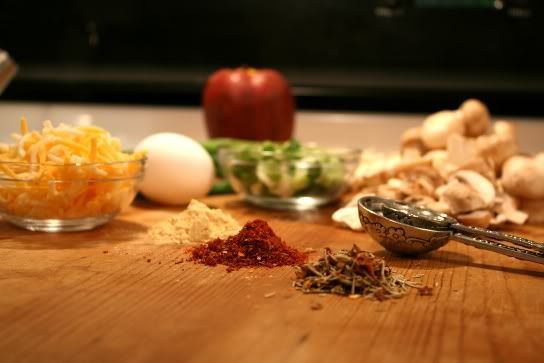
A humble place to start your culinary exploration is simply the spice rack. Most supermarkets have a greater selection of spices and herbs.

Cultural cuisine is part of the new revolution in cooking and it is sneaking its way everywhere. It pays to take notice.

15 January 2009

9 Developments in Food That Can Make This a Great Year for Eating Healthfully

Many food trends seem to come in the form of fads, only lasting as long as the craze over this or that new culinary innovation lasts. So they tend to change from year to year. But this year seems to promise not only the continuation and growth of food patterns from the previous year, but new and fascinating trends as well.


THESE TRENDS INCLUDE:

Home Cooking: As the family food dollar has increasingly been stretched to its max, people are returning to their home cooking roots. It makes perfect sense, because this allows so much more flexibility in food spending.

Digestive Tract Health and Probiotics: Probiotics are bacteria which are helpful to health and well being. Acidophilus which is found in yogurt and supplements, is a common Probiotic. Acidophilus and another friendly bacteria, B. Bifidum are part of the natural flora found in the small and large intestines.

Probiotics help to replenish depletions in gut bacterial flora either lost through antibiotic use, stress, or poor nutrition. They can also help fight pathogens and improve immunity. The marketplace has been immersed with all types of probiotic supplemental choices. Besides yogurt, a great probiotic alternative choice is Kefir, which is usually cow’s milk fermented with the use of Kefir grains, to a creamy ‘liquid yogurt' texture.

Sustainable and Local Food Sources: Eating locally grown and seasonal foods is becoming a growing trend. Individuals and restaurants are taking to preparing foods bought from farmers markets and local small farms. Buying from smaller farmers brings you closer to your food source and forms a more direct relationship with the people who provide your food.

Growing sustainable foods takes into account humane treatment of farm animals, ensures fairly paid workers and farmers, provides safe, healthy food for the consumer, and respects the environment. The definition can be quite expansive, since sustainable agriculture compasses so many elements. Therefore, you are likely to see variations in that definition.

Organic Foods: The new emphasis on locally grown foods has helped to fuel the organic revolution. Often times those who grow Certified Organic foods are forced to operate on a small scale because the process is so much more demanding and requires adherence to many strict stipulations. Therefore the small farm is well suited for organic food production.

Alternative Sweeteners: Alternative sweeteners like Stevia, and Agave nectar have been on the market for years as supplements. These have little to no side effects, which cannot be said for sugar or high fructose corn syrup.
Stevia has recently been approved by the FDA for use as an alternative sweetener. Truvia, a new sweetener on the market, uses Stevia. Stevia itself is available in powder or liquid form from natural food stores or online, has no calories, and is significantly sweeter than sugar.

Taste, Taste, Taste! People are increasingly demanding more exciting and exotic flavors in their foods, whether they are dining out or eating in. Experimenting with different herbs and spices is becoming a bigger part of cooking.

Ready Made Meals: Organic, ethnic, healthy, tasteful are only some of the words to describe the class of ready-made-meals now available on the food market. It’s just fascinating to see the quality and variety of these meals in the frozen food aisle, and with all the other food trends going on, more variety is likely for the near future.

More Food/Nutrition Focused Eating vs. Dieting: Finally. The food industry and individuals alike are at last getting the message that Diet-Driven Deprivation is not the answer. There is a better way, and that way includes focusing on quality, on nutrition, on eating free of guilt, eating with thought and mindfulness etc.

Calorie Information on Menus: New York has been a pioneer in making this a reality by mandating that chain restaurants put calorie data on their menu. We will see how popular this gets and if more cities will follow this example.

10 January 2009

Selecting The Best Juices is an Issue of Utilizing The Highest Criteria When Visiting The Supermarket


Most of us do not regard the calories and nutrition (or lack there of) coming from liquids as much as that from solid food. But be assured, liquids, fruit juice in particular, do count just as much as solids towards your daily caloric quota and your overall nutrition.

It’s a matter of weighing the better choice over the least desirable. Liquids other than water contribute to your fluid needs as well, and it’s not necessary to exempt them altogether, particular when they are chosen wisely and in moderation.


1) Soda vs. Fruit Juice 'In Brief':

When it comes to nutritive value, soda is definitely out of the game all together. Most sodas on the market are really ‘sugar water’ with flavorings; its an ‘energy shot’ and that’s it. At up to 150 Calories per 12 oz can, it is basically adding empty calories with no nutritional value. Soda with artificially sweeteners is even worse from a nutritional perspective, because it is practically all synthetic. So other than creating a fake image of a 'healthier low-calorie' alternative, diet soda does not deserve to take up any room in your kitchen or on your dinner table.

Fruit juices offer a sensible alternative, but it's important to consider whether they are really fruit drinks or fruit cocktails with very little actual fruit. 100% fruit juice has the most value nutrition wise; and incorporating it is simply a matter of personal choice when going grocery shopping.

2) Choosing The Best Juice:

• Read the label: Is it 10%, 20, or 100% juice?-Always choose 100%

• Is one of the first ingredients high fructose corn syrup or added sugar?- In such a case you already know you are not getting 100% fruit juice and should move to the next choice.

• What is the nutritional makeup of the juice? Juice labels usually display % of Vitamin A, C, Calcium and Iron. Other nutrients may be voluntarily displayed by the manufacturer if they are applicable. Always make sure that it at least has 100% Vit C. The percentages of the other nutrients will vary depending on the type of fruit juice, the different fruits used in the juice, or whether the juice is also mixed with vegetables as with V8. Calcium fortification and the addition of pulp for added fiber are also great extras when choosing a juice.

NOTE: Vitamin C improves the absorption of Iron, and so including a Vitamin C rich fruit juice drink with a meal is a good idea.

If you are drinking juice you want to make it a nutritional powerhouse in your diet and the more nourishment you can get from it, the better.

3) “Juicing” is a great idea if you have the time. The best juice is always the one you make yourself, because you can control what goes in it. For example you can mix carrot with apples or mix a less acidic fruit with a citrus fruit. You are also gaining the benefit of preserving the fiber content of the fruit as well.

4) Organic juices have solidified their place in the beverage market, and provide a great healthful option.

Even with the healthiest drink however, you should refrain from the urge to overdo it which is very easy to do with juice. After all it’s a liquid which can be gulped down your throat quickly and with little effort. So you should be mindful to drink the best, but drink sensibly. Besides contributing to surplus calories, too much beverage in the diet has been attributed with replacing milk in the diets of Americans, especially children. So a couple true 80z servings(about 120 calories/serving) a day of juice is quite adequate.

When choosing soda over juice or choosing the type of juice you will consume, remember always one fundamental attribute of The Non-Dieter Mindset-QUALITY, QUALITY, QUALITY! Making it a priority to choose the 'creme de la creme' amongst your food choices, is a sure way to begin redefining your relationship with food and creating more positive food related experiences.

14 December 2008

Stretching The Mighty Dollar-A Trend Towards Smart Home Cooking


For the year 2008 home grocery prices were expected to rise from 5.5% to almost 7% (according to the USDA Consumer Price Index). This prediction has be unarguably validated as we've seen everything from milk to eggs to vegetables oils increase significantly in cost. Today it is not uncommon to have a gallon of oil priced over $12 On Sale! For some foods like ice cream and peanut butter there has been a slight but noticeable reduction in the size of the containers, so that you get less for the same price.

Despite all of this, home cooking appears to be making a serious comeback as the food dollar is forced to do more. Eating at home is often seen as a more economical choice over dining out, and people are finding inventive and creative ways to make dining in work for their lifestyle and budget. In preparing meals they are looking for taste, convenience, health, and cost. Some practices towards meeting these four criteria include:

1. All-in-One/Batch cooking like chillis, soups, and stews which are easy to put together, wholesome, and act as great leftovers to use for another meal.

2. Brown-bagging lunches which are more cost effective than buying lunch and give more control in the healthiness of the meal.

3. Seeking out recipes to add spice and variety to the dining in experience.

4. Purchasing food items which have longer shelf lives like pasta, canned goods etc. vs. perishable items which have to be thrown out if not used within a certain period of time.

5. Adding a wider range of spices to put 'a new face' to the everyday meal, especially if the same dish may be prepared more than once for the week.

Other ways to cut cost would be to buy bulk items as long as the unit price is significantly less than the retail price at the regular supermarket. Frozen fruits and vegetables also serve as a healthy and economical way to avoid wastage. These are usually processed very soon after the crops have been harvested.

There are many ways to make dining in fun and something that is likely to be a lasting practice. Today more than ever, it appears to be a renewed trend in many home kitchens and dining rooms.

04 December 2008

Portion-Size Savvy


A balanced meal doesn't only refer to having all your food groups accounted for, it also means having them well portioned as well. Overdoing good food is like putting the 'Repeat One' setting on your IPod for your favorite song; by the time the tenth round rolls by, your excitement has pretty much faded and you're ready to move on. You know what they say about too much of a good thing-it just makes you plain nauseous after a while. Well not that exactly, but we are talking about food after all.

Portion-sizing food need not be a mechanical task of weighing out and measuring food however. Who wants to do that? Usually when someone hears portion control, they are already putting up the white flag. Immediately a vision of cup measures and food scales comes to mind.

Furthermore,when we learn the true serving sizes of food which we are really advised to consume, shock and disbelief usually follow. For example the recommendation for rice is ½ cup, for nuts a modest handful, about the size of a golf ball, and meat a 3oz serving roughly the circumference of a deck of cards. Note that there is a difference between serving size and portion size.

So how do we gain Portion-Size Savvy? Well a good place to begin is with taking a closer look at the current eating ware and utensils that you use. Perhaps these may need a complete MAKEOVER.

This makes perfect sense because what you are currently serving your food with and placing your food in, by virtue of their size, may be encouraging you to “pile on the food”. Sometimes the most obvious place may be the perfect way to begin with something that seems really difficult.

1. Play ‘favorites’ when it comes to your eating ware. For example choose one or two cereal bowls for your cereal and one or two plates to use at lunch and dinner time. This can help create consistency in the amount of food you consume. And especially in the case of the cereal bowl, because they usually come in different sizes, you can pre-measure it once to see the quantity it holds-1/2c, 1cup etc so you always have a rough estimate of how much cereal you are eating.

2. Save the large plates for the fruit or vegetable platter at your dinner parties. A small plate is your friend and can come in handy for most people who simply do not have the time and discipline to physically measure food. A plate about six to eight inches in diameter ( not including the rim or design part) should do it; preferably a plate which is not very deep. A plate that is significantly bigger than your head has the potential to hold food which is significantly bigger than your head, and believe me when I say that you don’t need that much food at one sitting.

3. Get Rid of Grandma’s Mega Serving Spoon! I use this association because, most grandmas love to overindulge us and bless their hearts for it. But when it comes to food, grandma’s ‘big serving spoon’ can be your worst enemy, but having a direct replication of that spoon in your kitchen, well that’s pure portion control suicide! When at home use smaller utensils to dish out food, perhaps an over sized regularly spoon, or even a small ice cream scoop in the case of serving rice or mashed potatoes. Hey, desperate situations…You know the rest!

4. Use this simple guide-Your starches like potatoes, rice, pasta, whole grains and your meats and protein should each take up only a quarter of your plate respectively. The rest (about 1/2) should consist of vegetables.

5. If you are truly on a restrictive diet for medical purposes or are looking to loose weight, then there are pre-measured aids to make your life a bit easier if you don't mind investing in them. Three I would recommend are the 'Portion Doctor', 'The Portion Plate', and for kids 'Yum Yum Dishes'.

Take the Portion Distortion Interactive Quiz

But remember the point is not to make yourself a slave to your food and get you into the mindset of guilt inducing diets. In my opinion, unless you are on a restrictive, prescribed diet due to a medical condition like diabetes, measuring food can work against you truly being able to enjoy your food. But I think it is useful to you to have some idea of your food portions. Once you get a good general visual in your head of what constitutes a serving of meat, starch etc then eating a truly balanced meal becomes easy.

13 September 2008

Breakfast Fare-Eggs Glorious Eggs


The regular breakfast fare-eggs, bacon, pancakes etc. can have you hearing the calories/fat police coming a mile away with a whole heap of guilt-inducing condemnation. But I’ve learnt that there are so many ways to keep the ‘police’ at bay. There’s more than one way to skin a cat, as they say.

It’s so easy to just give in to fighting an internal war with ourselves when it comes to how and if we can include the foods we really love, like eggs for breakfast, in the diet. It’s like there’s a pesky whip of condemnation we beat ourselves with constantly. There’s also that ‘all or nothing” attitude, where if there is one perceived ‘bad’ thing about a food, the food gets the axe. The last I checked, food is one of the ‘feel good’ aspects of life, right up there with getting a back or foot rub, taking a relaxing soak and picnicking in the park. If you’re like me, the more ‘feel good’ things the better.


Some Egg Facts

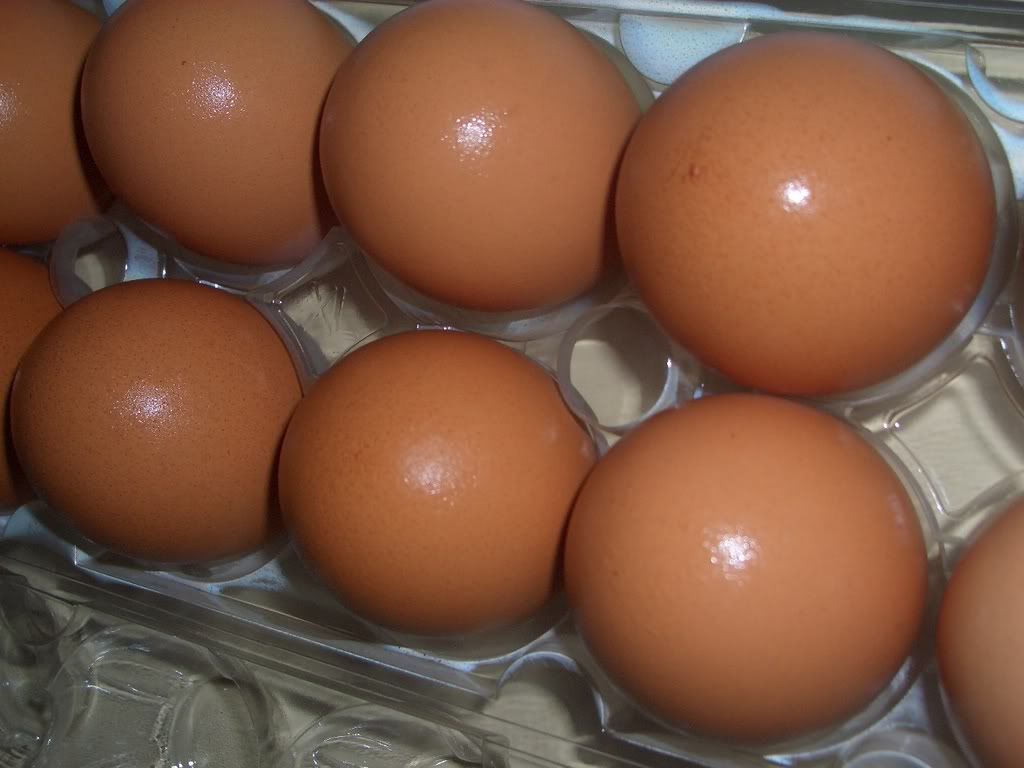
Eggs in particular, are a notable player in many a morning breakfast rituals. All the fat (about 5g total fat, 1.5 g saturated fat, which is very little fat compared to most foods) and cholesterol, and most of the calories in eggs is found in the egg yolk. One yolk contains about 212mg cholesterol. However the egg yolk also contains tons of nutrition including Vitamin A, Vitamin E, calcium, lutein, zinc, folate, and other nutrients in smaller amounts. Some of these nutrients are also contained in the egg white which is loaded with high quality protein and very little calories, about 20 calories per egg. One whole egg is about 75 calories.

But unfortunately it's the egg's notorious cholesterol profile which has egg being a food which is both scorned and loved. If cholesterol is your concern, you can simply discard the yolk portion and that issue is resolved very easily. But you should know that your lipid profile in general has more to do with raising cholesterol levels than cholesterol itself.

Saturated fats and trans fats have been shown to be even greater contributors to raising cholesterol levels. Furthermore, some research has found that not all of the cholesterol in egg is absorbed into the blood stream due to a compound called lecithin which is also found in eggs.

Eggs are one of the most nutritious and highly available breakfast or ‘any meal’ foods, and is widely found in so many foods that mostly or even totally taking it out of the diet could be a challenge. Here's how I've been having my eggs for breakfast and eating them too.


Scrambled Eggs and Omeletes

For scrambled eggs and omelettes, I use a simple ratio of two eggs to one yolk or just allow some of the yolk to fall into the pan when I crack the egg open, discarding the rest. I like to feel like I’m actually eating scrambled eggs, and I think scrambled eggs with whites only lacks the flavor and texture that only the fat in the yolk can bring. Egg substitutes such as Egg beaters provide another option, but I never feel them to taste as real as the real thing.

Scrambled eggs and omelettes are so versatile. You can add a variety of ingredients like fresh herbs, meat pieces, vegetables, cheese etc, and make a meal of them. Eggs in general can also be a great addition to a healthy sandwich.


Fried & Boiled Eggs


Both these styles of preparing eggs allow you to easily separate egg white from egg yolk. For fried eggs , I have mine ‘over hard’, and simply separate the yolk from the egg once it is completely fried. I discard the yolks for boiled eggs, depending on how much I am having. If I'm have 7 boiled eggs in an egg salad for example, I toss out at least half of the yolks, vs. if it is only one egg eaten on its own.

Sometimes just the ‘feel’ of eggs would do just as well as the egg itself, especially for someone who is allergic or follows a vegetarian diet. In this case, a common substitute is tofu, which is also high in protein, but is low fat. Crumbled tofu sautéed with some oil, herbs, and seasonings can be a great egg replacer. To get it to more greatly resemble egg, add turmeric or curry powder to give it that 'yolk' color.

Regardless of how you use or substitute it, egg is a part of the breakfast table that is not likely to disappear anytime soon. It is still a healthful and nutritious choice.

Non-Diet Tips   © 2008. Template Recipes by Emporium Digital

TOP